Modern Flowers Bouquet Wedding Art Style
There’s a moment in every design project where you need more than just an image—you need a feeling. Something that captures elegance, celebration, and the organic beauty of nature, all wrapped up in a style that feels fresh and contemporary. That’s exactly what a well-crafted floral art style brings to the table. It’s not just about pretty petals; it’s about telling a story of romance, sophistication, and modern aesthetics that can transform a simple layout into a memorable visual experience.
Understanding the Visual Appeal
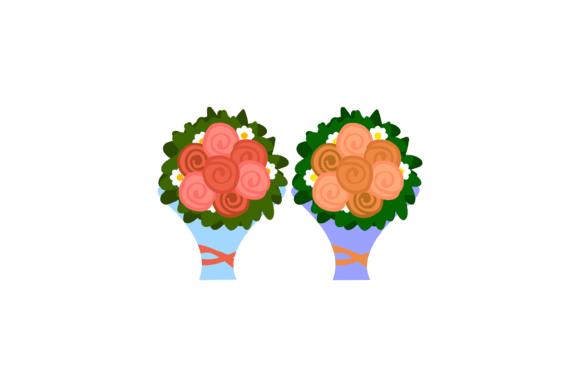
The Modern Flowers Bouquet Wedding Art Style is characterized by its balanced composition, often featuring lush, intertwined blooms rendered with a mix of detailed realism and subtle artistic simplification. Think of roses, peonies, and eucalyptus leaves arranged not in a stiff, traditional pattern, but with a flowing, almost hand-painted dynamism. The color palettes tend to lean towards soft pastels, muted earth tones, or bold, contemporary contrasts, allowing it to adapt to various design moods. This style excels because it bridges the gap between classic floral motifs and clean, modern design principles. It feels luxurious without being gaudy, and detailed without becoming visually noisy.
Practical Applications for Creators and Businesses
The true value of a versatile art asset like this lies in its application. For a small business owner crafting their brand identity, these floral elements can become the cornerstone of a logo or the hero image on a website, instantly communicating a brand’s values of beauty, care, and quality. A social media manager can use these graphics to create cohesive Instagram stories, Facebook headers, or Pinterest pins that stop the scroll, thanks to their inherent visual appeal and professional finish.
For those in the wedding industry—planners, stationers, photographers—this style is practically essential. It provides the foundational artwork for wedding invitations, save-the-date cards, table numbers, and thank-you notes. The included file formats, such as AI and EPS, make it simple for a graphic designer to edit colors, scale elements without loss of quality, or isolate a single bloom for a minimalist accent. Meanwhile, the high-resolution JPG and PNG files are perfect for quick use in digital presentations or blog post graphics by content creators who may not be software experts.
Imagine a blogger writing about garden parties or a lifestyle brand launching a new product line. Incorporating these floral art elements into featured images, email newsletter banners, or even product packaging mockups can significantly elevate the perceived value. It moves a project from "homemade" to "professionally designed" in an instant. The consistency of using the same style across different assets—your website’s about page, your Instagram grid, your printed lookbook—builds a recognizable and trustworthy visual language.
Integrating Floral Art into Your Design Workflow
Adopting a new design asset is about more than just dropping it into a file. To truly leverage something like the Modern Flowers Bouquet Wedding Art Style, consider these practical steps:
- Define Your Project’s Goal: Is the aim to feel romantic and whimsical, or modern and minimalist? A dense, colorful bouquet might be perfect for a wedding invitation suite but could overwhelm a corporate report. Use the art to support the message, not distract from it.
- Pair with Complementary Typography: The floral art sets a mood. Your font choice should echo that mood. A delicate script font might pair beautifully with a romantic bouquet for a save-the-date, while a clean, geometric sans-serif could create a striking, modern contrast for a fashion brand’s social media post.
- Test for Readability and Hierarchy: If using the art as a background, ensure any text placed over it remains legible. Often, this means using a semi-transparent overlay, choosing a bold font weight, or positioning text in areas of the image with less visual complexity. The goal is harmony between image and type.
- Edit to Fit Your Brand Palette: One of the biggest advantages of vector-based formats like SVG and AI is editability. Don’t feel locked into the original colors. A skilled designer can quickly adjust the hues to match a client’s exact brand colors, creating a truly custom asset.
Key Considerations for Commercial Use
When you download a design asset, especially for commercial projects, understanding the license is non-negotiable. A reputable digital asset will come with clear commercial licensing, allowing you to use the work in client projects, on merchandise for sale, or in marketing materials without legal ambiguity. Always review the terms. Does it cover print-on-demand? Is there a limit on the number of end products? Knowing this upfront protects your business and your clients.
Furthermore, the file variety matters. Having access to both vector files (AI, EPS, SVG) and raster files (JPG, PNG) provides maximum flexibility. Vectors are your best friend for scaling and editing, while high-resolution rasters are essential for digital applications where vector editing isn’t possible. This collection’s inclusion of DXF also opens doors for crafters using cutting machines, allowing the floral designs to be used for physical products like decals, stencils, or intricate paper cutouts.
Ultimately, the Modern Flowers Bouquet Wedding Art Style is more than just a decorative element. It’s a strategic tool. It helps solve the common challenge of making communications feel beautiful, professional, and emotionally resonant. By thoughtfully integrating it into your visual toolkit—whether you’re designing a logo, crafting a social media campaign, or producing printed stationery—you invest in a cohesive aesthetic that speaks volumes about the quality and care behind your work or your client’s brand. It’s about giving your audience something beautiful to connect with.